
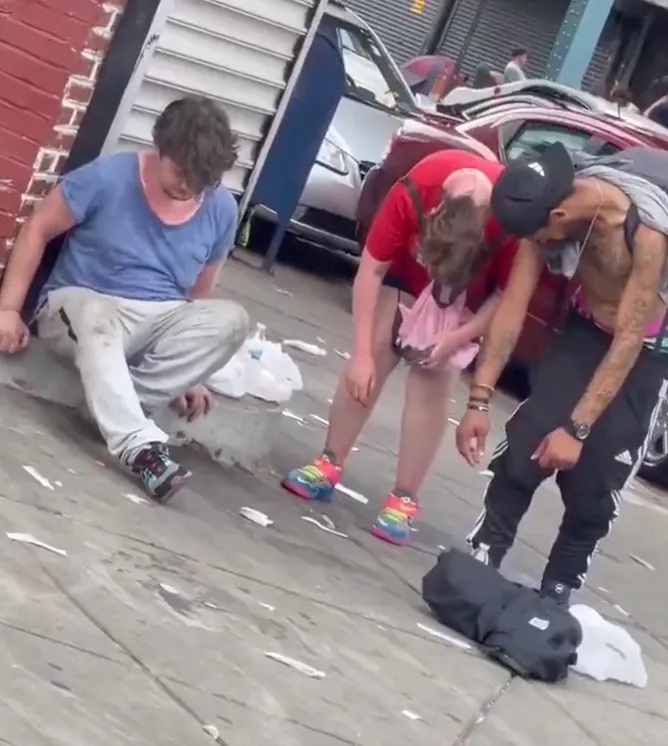
FENTANYL: RUINED LIVES, DEVASTATED SOULS, AND INJURED FAMILIES
Opioid Addiction Is a National Catastrophe
.
Fentanyl is a powerful synthetic opioid that is significantly more potent than morphine and heroin. Prescribed by doctors for severe pain, illegal versions are also produced in laboratories and mixed into other substances, leading to a high risk of overdose.
.
An estimated 9.4 million American adults suffer from “opioid-use disorder” (a broad medical term for opioid addiction). While health agencies track total opioid addiction rather than isolating fentanyl alone, illicitly manufactured fentanyl drives the vast majority of current synthetic opioid overdoses and fatal crises nationwide.
.
Opioid and Fentanyl Scope:
.
Total Opioid Use Disorder: Roughly 3.7% of U.S. adults live with opioid addiction.
.
Overdose Impact: Fentanyl is involved in over 70% of all U.S. opioid-related overdose deaths.
.
Hidden Exposure: Many users become addicted or overdose unknowingly because fentanyl is mixed into other street drugs such as heroin, cocaine, and counterfeit pills
.
(“Fentanyl Addiction Statistics”; Jessica Miller; Kent S. Hoffman, D.O., Ed.; AddictionHelp.com; June 27, 2026).
.
Scriptural Relevance for Drug Addiction:
.
Sobriety and Clear-Mindedness: The Bible warns believers to stay alert and keep a clear mind so they can make wise choices and resist temptation.
- 1 Peter 5:8: Be sober, be vigilant; because your adversary the devil, as a roaring lion, walketh about, seeking whom he may devour.
- James 4:7: Submit yourselves therefore to God. Resist the devil, and he will flee from you.
The Body as a Temple: The human body is the dwelling place for God’s Spirit, meaning believers are called to treat it with respect rather than harm it.
- 1 Corinthians 6:19-20: What? know ye not that your body is the temple of the Holy Ghost which is in you, which ye have of God, and ye are not your own? For ye are bought with a price: therefore glorify God in your body, and in your spirit, which are God’s.
Avoidance of Intoxication: While alcohol is frequently mentioned and even used in celebration, drunkenness and losing control of one’s faculties are strongly condemned.
- Ephesians 5:18: And be not drunk with wine, wherein is excess; but be filled with the Spirit.
- Proverbs 20:1: Wine is a mocker, strong drink is raging: and whosoever is deceived thereby is not wise.
Spiritual Bondage vs. Freedom: Submitting to a substance rather than God is compared to a form of idolatrous slavery. The New Testament emphasizes that Faith and spiritual renewal offer a path to freedom from destructive habits.
- Romans 6:16-18: Know ye not, that to whom ye yield yourselves servants to obey, his servants ye are to whom ye obey; whether of sin unto death, or of obedience unto righteousness? But God be thanked, that ye were the servants of sin, but ye have obeyed from the heart that form of doctrine which was delivered you. Being then made free from sin, ye became the servants of righteousness.
The Greek word, pharmakeia, which appears in passages such Galatians 5:20 (often translated as “sorcery” or “witchcraft”) has weight here. In the ancient world, pharmakeia referred to the use of drugs, potions, or spells, usually in connection with magical or occult practices rather than casual recreation.
- Galatians 5:19-21: Now the works of the flesh are manifest, which are these; Adultery, fornication, uncleanness, lasciviousness, Idolatry, witchcraft, hatred, variance, emulations, wrath, strife, seditions, heresies, Envyings, murders, drunkenness, revellings, and such like: of the which I tell you before, as I have also told you in time past, that they which do such things shall not inherit the kingdom of God.
Obedience to the Law: General biblical commands instruct people to respect and follow the civil laws of the lands they live in, which applies to the legality of specific substances.
- Romans 13:1-7: Let every soul be subject unto the higher powers. For there is no power but of God: the powers that be are ordained of God. Whosoever therefore resisteth the power, resisteth the ordinance of God: and they that resist shall receive to themselves damnation. For rulers are not a terror to good works, but to the evil. Wilt thou then not be afraid of the power? do that which is good, and thou shalt have praise of the same: For he is the minister of God to thee for good. But if thou do that which is evil, be afraid; for he beareth not the sword in vain: for he is the minister of God, a revenger to execute wrath upon him that doeth evil. Wherefore ye must needs be subject, not only for wrath, but also for conscience sake. For for this cause pay ye tribute also: for they are God’s ministers, attending continually upon this very thing. Render therefore to all their dues: tribute to whom tribute is due; custom to whom custom; fear to whom fear; honour to whom honour.
Medical Legal Uses of Fentanyl:
.
• Treats severe pain after major surgery.
.
• Helps patients with advanced cancer who experience severe pain.
.
• Administered via injection, skin patch, or lozenge under strict medical supervision.
Risks and Dangers.
.
• High Potency: Due to its extreme strength, even a minute amount can be fatal.
.
• Respiratory Depression: Consumption can lead to respiratory failure, resulting in a rapid loss of consciousness and death.
.
• Hidden Presence: It is frequently added to counterfeit prescription pills or other illicit substances like cocaine or heroin without the user’s knowledge.
.
Coming Into Contact With a Fentanyl User:
.
• Fentanyl use and exposure happen when a person comes into contact with fentanyl, this strong man-made opioid pain drug that is 50 to 100 times more powerful than morphine. Contact can occur through medical use, touching or swallowing an illicit substance by accident, or breathing in airborne dust.
.
• Medical Use: Doctors give pharmaceutical fentanyl as a shot or skin patch to treat severe pain.
.
• Intentional Use: A person takes the drug on purpose to get high, or unknowingly consumes another street drug mixed with fentanyl.
.
• Accidental Contact: A child finds a discarded pill or prescription skin patch.
.
Myths vs. Facts on Casual Contact
.
• Casual Skin Contact: You cannot overdose just by briefly touching a surface, dollar bill, or package that has fentanyl dust on it.
.
• Skin Absorption Rate: The skin does not absorb dry powder fast enough to cause an overdose. Special medical patches are designed to release medicine over hours or days, not seconds.
.
• Secondhand Smoke: Breathing in smoke from someone using fentanyl in an open public space is extremely unlikely to cause an overdose.
.
Signs of Dangerous Exposure:
.
• Slow or shallow breathing
• Extreme sleepiness or passing out
• Tiny, pin-point pupils in the eyes
• Cold, blue, or clammy skin
.
What to Do:
.
• Wash skin right away with soap and water if you touch powder or liquid.
.
• Give naloxone (Narcan) right away if a person shows signs of an overdose.
.
• Call 911 for emergency help immediately.
.
Counseling for Addiction or Exposure to Fentanyl
.
Psychological counseling helps people with opioid and fentanyl addiction by changing negative thoughts, building coping skills, and preventing relapse. Evidence-based treatments combine counseling with medications like buprenorphine or methadone for the best results.
.
Effective Types of Therapy:
.
• Cognitive Behavioral Therapy (CBT): Helps patients spot triggers, manage stress, and change drug-use habits.
.
• Contingency Management: Gives small rewards or prizes for negative drug tests and therapy attendance.
.
• Motivational Interviewing: Builds the patient’s own inner drive to stop using drugs and stay in treatment.
.
• Group Therapy: Offers peer support and shared experiences to reduce isolation.
.
Why Therapy is Needed:
.
• Brain Changes: Fentanyl and opioids change brain chemistry, making professional help necessary for recovery.
.
• Dual Diagnosis: Many patients also face depression or anxiety, which therapy treats at the same time.
.
• Lower Risk: Combining therapy with medical care lowers the chance of a fatal overdose.
.
“Drug Zombie” – A Cruel Term:
.
The term “drug zombies” refers to people severely sedated by xylazine (known as “tranq”), a non-opioid veterinary tranquilizer mixed into the local illicit fentanyl supply in the Kensington neighborhood of Philadelphia. Centered around Kensington and Allegheny Avenues, this open-air drug market has drawn international attention for severe public health and homelessness crises.
.
What is “Tranq” and Its Effects (Philly as a Model):
.
• Extreme Sedation: Xylazine causes heavy lethargy, drooping postures, and prolonged blackouts where users freeze mid-motion or slump over, which led to the “zombie” label.
.
• Severe Wounds: The drug restricts blood flow and causes deep, necrotic skin ulcers and chemical-burn-like wounds that frequently lead to amputations.
.
• Complicated Overdoses: Because xylazine is a tranquilizer and not an opioid, standard reversal medications like Naloxone (Narcan) do not reverse the sedative effects of xylazine itself (though experts still recommend administering it since fentanyl is almost always co-present).
.
Social Impact and Exploitation:
.
• Humanitarian Crisis: The intersection of poverty, lack of housing, and deep addiction has created large street encampments along Kensington Avenue, Philadelphia, Pennsylvania.
.
• “Tranq Tourism”: The area has faced issues with outside content creators and social media influencers visiting Kensington to film and monetize videos of vulnerable, heavily intoxicated individuals without consent.
.
City, Church, and Community Response:
.
• Church Awareness can only aid society. Sermons inform the public. Having public-awareness meetings and running support groups in the church basement are helpful.
• Enforcement and Cleanup: City authorities have increased police deployments, sanitation sweeps, and efforts to clear public spaces and encampments.
.
• Public Health Interventions: The city and local health groups have deployed mobile wound-care units, expanded access to treatment and housing resources, and increased harm-reduction services to address the severe physical toll of the xylazine crisis.
.
“…choose you this day whom ye will serve… but as for me and my house, we will serve the Lord” (Joshua 24.15).
.
Please click NEXT.